poe temperature sensor
Wired PoE temperature probe for network racks
Plug an isolated Olimex ESP32-POE-ISO with a waterproof DS18B20 probe into any PoE switch port. No 2.4GHz guest Wi-Fi, no dead batteries, and 10-minute dead-man offline detection.
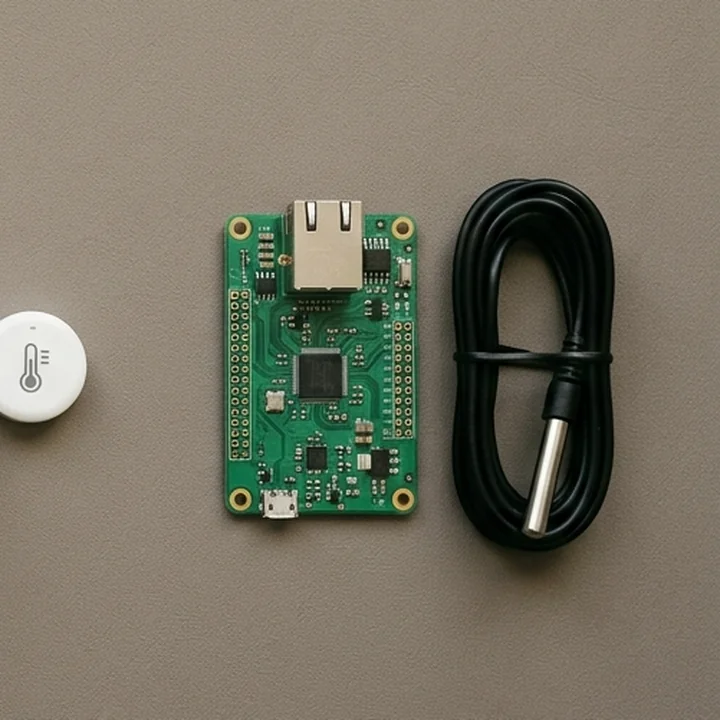
What you need (bill of materials)
Hardware is purchased directly from your preferred vendor during the BYOD pilot.
| Component | Specification | Reference price |
|---|---|---|
| Olimex ESP32-POE-ISO | Isolated 802.3af PoE Ethernet board | EUR 24.95 |
| Waterproof DS18B20 probe (e.g. Adafruit #381) | -55 to 125°C probe tip (keep PVC jacket <100°C) | $9.95 USD |
| 4.7k ohm pull-up resistor + project enclosure + Cat6 | Mount board outside metal enclosures | ~$12 USD |
Setup in three steps
- Step 1
Wire the DS18B20 probe (with 4.7k ohm pull-up) to the Olimex ESP32-POE-ISO.
- Step 2
Flash our open-source SensorWard ESP32 reference firmware (includes hardware watchdog and 85°C boot-spike filter) with your ingest URL and bearer token.
- Step 3
Plug into a PoE switch port backed by your rack UPS and verify live ticks on the console.
# SensorWard reference ESP32 firmware payload (POST /v1/ingest/<sensorId>)
Authorization: Bearer swt_your_sensor_token
Content-Type: application/json

{"temp_c": 22.8, "source": "esp32-poe"} Default thresholds and heartbeat profile
| Profile | Expected cadence | Offline deadline | Default thresholds |
|---|---|---|---|
| esphome-poe | ~1 min over wired Ethernet | 10 min server-clock silence | High 28°C (82.4°F) / Low 10°C (50°F), 60s breach debounce |
Why standard setups fail
- Corporate 5GHz-only Wi-Fi and strict VLANs routinely break consumer 2.4GHz Wi-Fi thermometers.
- Alkaline batteries die inside warm closets right before HVAC fails.
- Self-hosting reliable phone-call escalation and dead-man watchdogs adds maintenance overhead.
Deployment limits
- Our ESP32 reference firmware discards the DS18B20 85°C power-on artifact automatically; stock ESPHome configs need their own template filter.
- Hardware, enclosure, and Cat6 cabling are sourced separately by your team during the BYOD pilot.
- If the PoE switch and WAN router share the same unbacked breaker, an outage reports as Offline rather than a temperature reading.
Frequently asked questions
Why use the isolated ESP32-POE-ISO board instead of the non-isolated version?
The ISO variant isolates PoE power from USB programming pins, protecting your laptop and switch during bench flashing.
Can I use stock ESPHome instead of your C++ reference firmware?
Yes. Any ESPHome HTTP request posting JSON with temp_c and your Bearer token works, as long as you filter the DS18B20 85°C boot spike in ESPHome.
Ready to test this setup?
Try the simulated outage and press-1 phone escalation or apply for the BYOD pilot.