shelly h&t gen3 vs plus h&t
Shelly H&T Gen3 vs Plus H&T for server closets
Both Shelly pucks look nearly identical on a shelf, but power mode matters far more than the badge on the box. Here is how Gen3 compares to Plus H&T and how to avoid the 2-hour battery sleep trap.
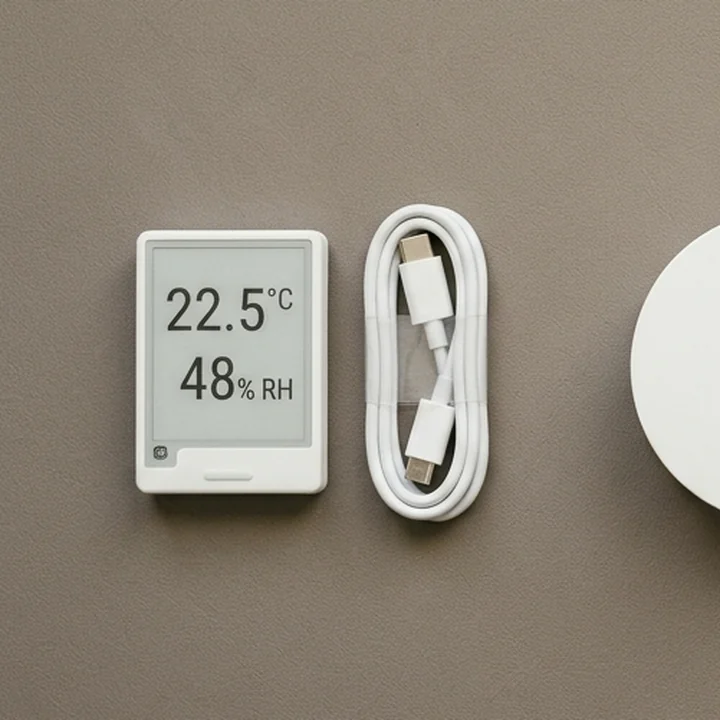
What you need (bill of materials)
Hardware is purchased directly from your preferred vendor during the BYOD pilot.
| Component | Specification | Reference price |
|---|---|---|
| Shelly H&T Gen3 (recommended for new installs) | ESP-Shelly-C38F (8MB flash), e-ink clock, USB-C + 4x AA, Matter-ready | $40.99 USD |
| Shelly Plus H&T (older Gen2 stock) | ESP32 (4MB flash), e-ink display, USB-C + 4x AA, same 0 to 40°C range | ~$35 USD (legacy) |
| 5V USB-C power brick + cable (mandatory for closets) | Switches device from 2h battery sleep to ~5m check-ins | ~$10 USD |
Setup in three steps
- Step 1
Plug in 5V USB-C power BEFORE final provisioning so the sensor stays awake long enough to configure Actions cleanly.
- Step 2
Choose the shelly-usb profile in SensorWard (15-minute offline timeout) when powered by USB-C, or shelly-battery (2h 45m timeout) if running purely on AA cells.
- Step 3
Paste the SensorWard HTTPS Action URL on temperature change events and trigger a live reading to confirm the first heartbeat.
# Exact Shelly Gen3 / Plus H&T HTTP Action URL for SensorWard
https://api.sensorward.com/v1/ingest/sw_closet_ht01?token=swt_your_sensor_token&temp=${ev.tC}&hum=${ev.rh} Default thresholds and heartbeat profile
| Profile | Expected cadence | Offline deadline | Default thresholds |
|---|---|---|---|
| shelly-usb (USB-C) vs shelly-battery (AA) | USB-C ~5 min | Battery ~2h heartbeat or 0.5°C delta | 15 min (USB-C) | 2h 45m (Battery) | High 28°C (82.4°F) / Low 10°C (50°F), instant breach on wake |
Why standard setups fail
- Buyers accidentally order older Gen1 round pucks (no USB-C, slow wake) or run Gen3 on AA batteries in a server closet and wonder why offline detection takes hours.
- Shelly Cloud mobile push alerts alone do not place phone calls that ring through Do Not Disturb or escalate to a backup engineer.
- Managing webhooks across 10+ client closets without per-sensor bearer tokens and site grouping becomes messy fast.
Deployment limits
- Neither Shelly H&T Gen3 nor Plus H&T is rated below 0°C or above 40°C; never put either puck inside a walk-in freezer or cooler.
- On AA batteries alone, both models sleep up to 2 hours between heartbeats, which is too slow for critical server racks if WAN or power drops.
Frequently asked questions
Should I buy Shelly H&T Gen3 or Plus H&T for a new server closet?
Buy Shelly H&T Gen3. It doubles flash memory to 8MB, improves Wi-Fi wake responsiveness, adds the built-in clock on the e-ink display, and receives newer Gen3 firmware updates for roughly the same ~$41 price.
Does SensorWard work with existing Shelly Plus H&T (Gen2) sensors I already own?
Yes. SensorWard accepts both Shelly RPC JSON POSTs and Shelly URL Action query strings from Plus H&T (Gen2) and H&T Gen3 identically.
Ready to test this setup?
Try the simulated outage and press-1 phone escalation or apply for the BYOD pilot.